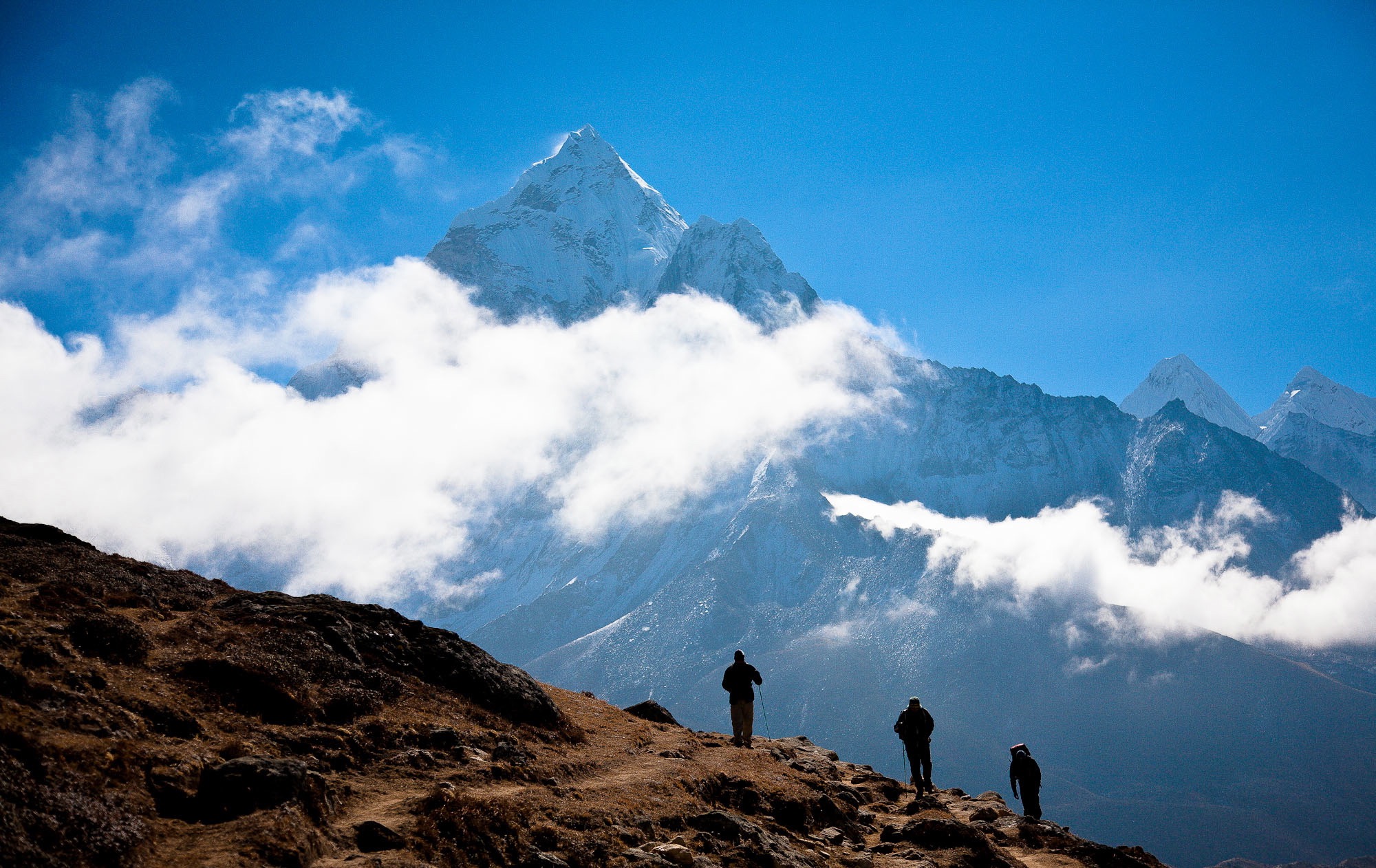
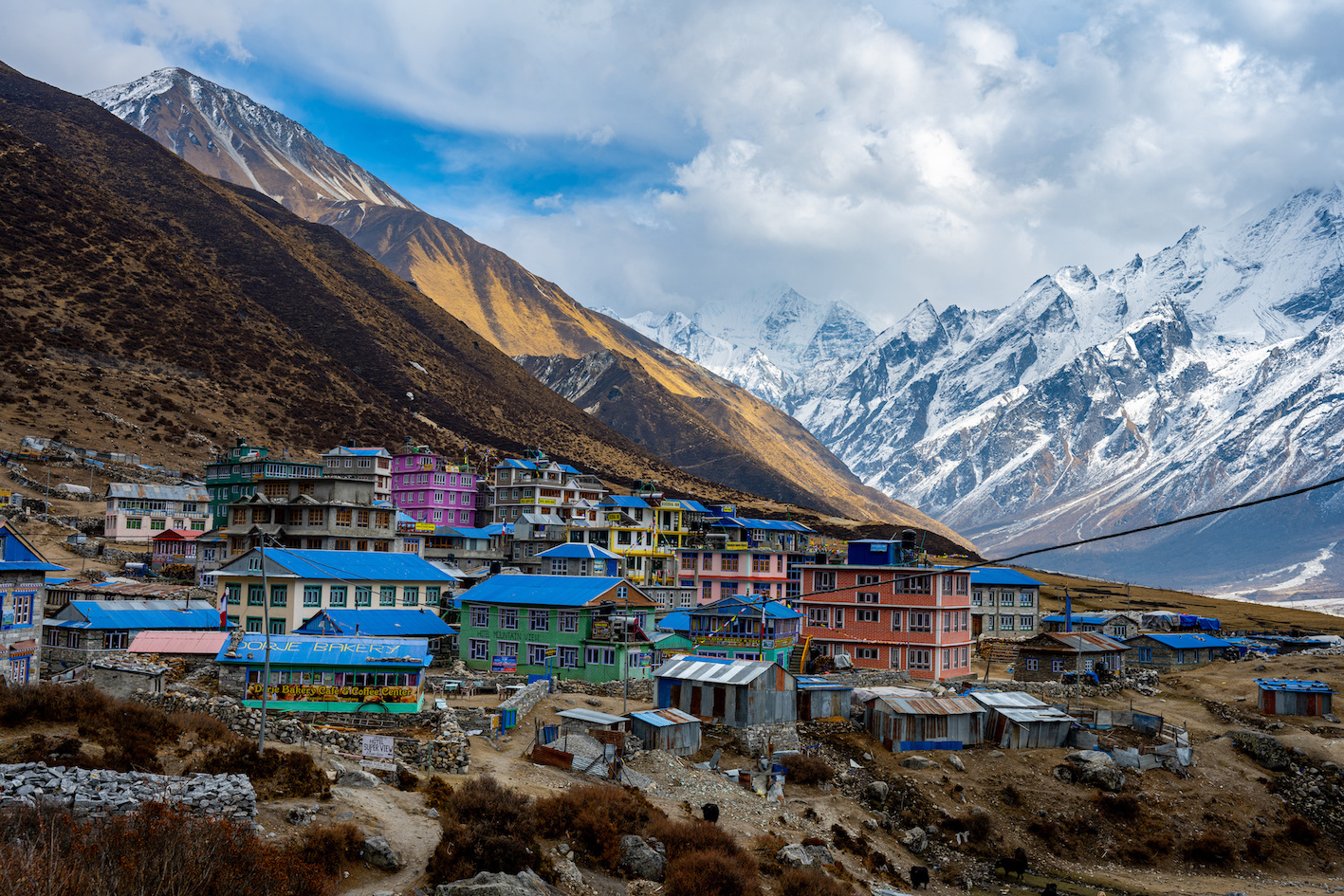
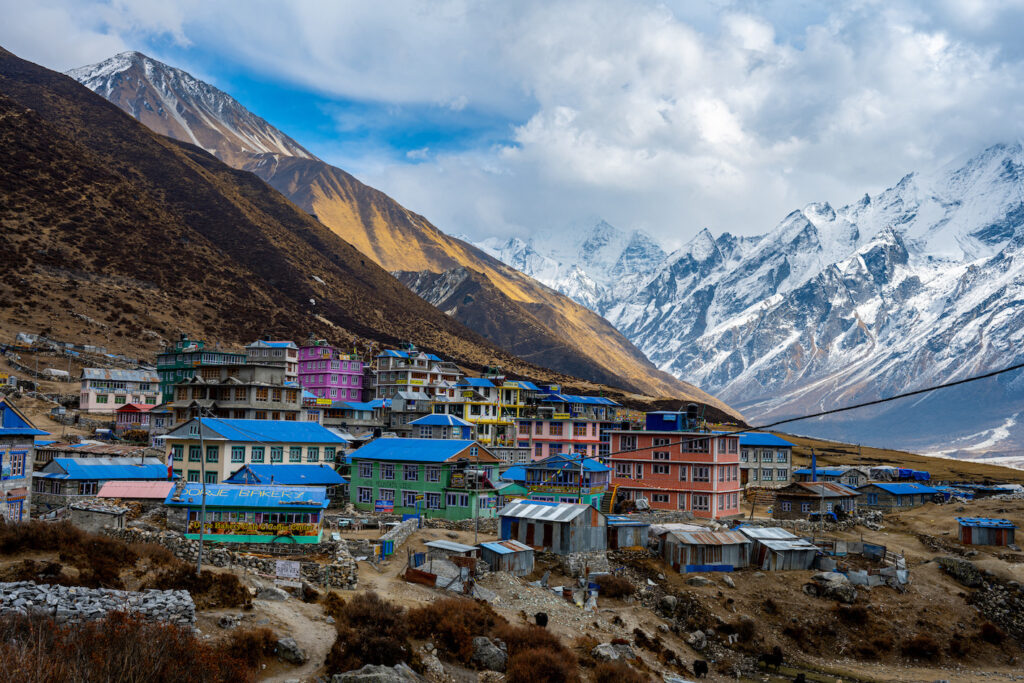
If you’re looking for an unforgettable Himalayan adventure away from the busy trails of Everest and Annapurna, Langtang Valley Treks are an excellent choice. Located just north of Kathmandu, the Langtang region is one of Nepal’s most scenic trekking destinations, offering spectacular mountain views, peaceful forests, traditional Tamang villages, and rich Buddhist culture. The trek combines natural beauty with authentic local experiences, making it perfect for travelers who want a quieter and more immersive Himalayan adventure. Whether you’re trekking for the first time or returning to Nepal for another adventure, Langtang Valley delivers an unforgettable journey.
Why Choose Langtang Valley Treks?
Beyond its incredible scenery, Langtang is known for its warm hospitality and relaxed atmosphere. Compared with Nepal’s busier trekking regions, the trails here feel more peaceful, allowing you to enjoy the mountains at your own pace. Every day brings new landscapes, from dense forests and flowing rivers to alpine meadows and snow-covered peaks. It’s an ideal destination for anyone looking to experience the Himalayas without large crowds.
Trek Highlights
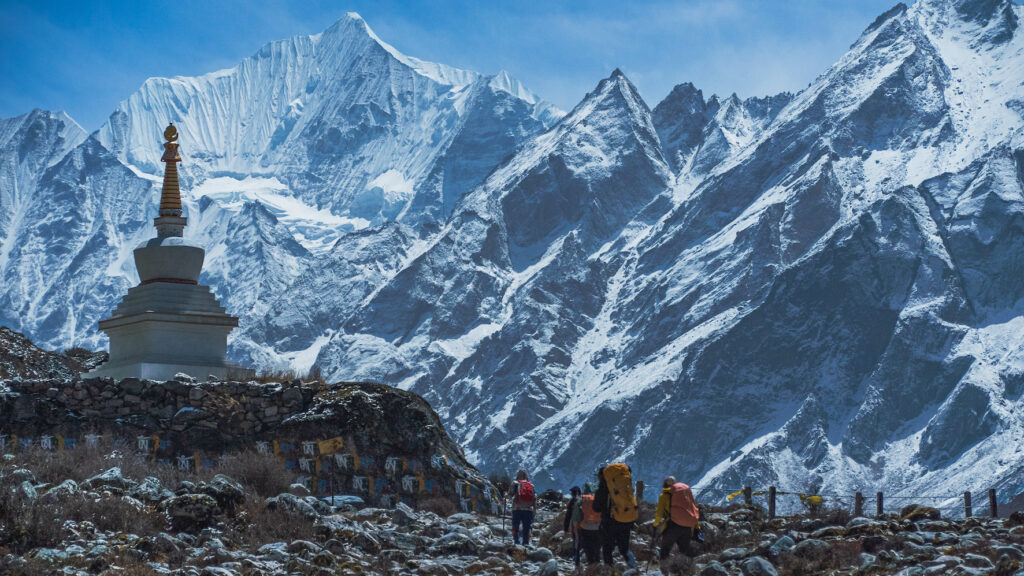
Every day of the trek offers something unique. You’ll pass through charming mountain villages, cross suspension bridges, visit centuries-old monasteries, and walk beneath towering Himalayan peaks. Reaching Kyanjin Gompa and hiking to Kyanjin Ri are unforgettable moments, rewarding trekkers with panoramic views of glaciers and the surrounding mountains.
Best Time to Visit
Spring and autumn are considered the best seasons because they offer the clearest mountain views and the most comfortable trekking temperatures. During spring, colorful rhododendron forests bring the hillsides to life, while autumn provides crisp skies and outstanding visibility. Although winter treks are possible, temperatures can drop below freezing at higher elevations. The monsoon season is quieter but often brings rain, muddy trails, and limited mountain views.
Langtang Valley Treks Difficulty
The trail follows well-established paths with gradual elevation gain, making it suitable for trekkers with a moderate level of fitness. Walking at a comfortable pace, staying hydrated, and allowing enough time for acclimatization will help ensure an enjoyable experience. Many first-time visitors to Nepal choose Langtang because it offers a rewarding Himalayan trek without the extreme challenges of higher-altitude routes.
A More Natural Trekking Experience
The Annapurna region offers a warm and welcoming teahouse culture, where every village brings a new experience.
Some trekkers enjoy social group meals in the evening, while others prefer quiet moments or independent dining.
This flexible format allows both styles without pressure or restriction.
You can still share meals and experiences with your group whenever you choose, but there is no fixed structure controlling your daily routine.
This creates a more relaxed and authentic way to experience the mountains.
What You’ll Need
Before starting your trek, pack essentials like:
- Trekking boots
- Warm clothing
- Rain jacket
- Trekking poles
- Water bottle
- Sunscreen
- Headlamp
- Personal medications
Packing smart helps you stay comfortable throughout the journey.
Why Trek with Trek Climb Ski?
At Trek Climb Ski, we believe every trek should be safe, enjoyable, and unforgettable. Our experienced local guides know the Langtang region inside and out, ensuring you experience its hidden beauty while trekking safely. We provide flexible itineraries, transparent pricing, quality service, and personalized support from the moment you contact us until your journey is complete. Whether you’re planning a private trek, joining a small group, or traveling with family and friends, we’ll help create an adventure that matches your goals and experience.
Final Thoughts
Langtang Valley Treks offer the perfect mix of stunning mountain scenery, rich local culture, and peaceful trekking trails. If you’re searching for an authentic Himalayan adventure that is less crowded yet equally rewarding, Langtang Valley deserves a place at the top of your travel list.
Ready to explore Langtang? Contact Trek Climb Ski today and let us help you plan your next unforgettable adventure in the Himalayas.
👉 Explore Our Langtang Trekking Adventures
Start Your Journey
The Langtang Valley Trek is more than just reaching a destination. It’s about walking through traditional villages, lush forests, alpine meadows, and spectacular mountain landscapes into the heart of the Himalayas.
From panoramic viewpoints and ancient monasteries to glaciers, yak pastures, and snow-capped peaks, every day offers a new adventure.
If you’re ready to discover one of Nepal’s most beautiful trekking regions, Langtang Valley Treks promise memories that will last a lifetime.
🎥 Watch videos from our Nepal trekking adventures
Frequently Asked Questions About Langtang Valley Treks
1. How many days does the Langtang Valley Trek take?
Most Langtang Valley Treks take 7 to 10 days, depending on your itinerary, fitness level, and whether you include side trips like Kyanjin Ri or Tserko Ri. Many trekkers choose an 8-day itinerary, which provides enough time to enjoy the scenery and acclimatize comfortably.
2. Is the Langtang Valley Trek suitable for beginners?
Yes. The Langtang Valley Trek is considered a moderate trek and is suitable for beginners with a reasonable level of fitness. You’ll typically walk 5–7 hours each day on well-established trails. Preparing with regular walking or light cardio before your trip will make the trek even more enjoyable.
3. What is the best time for Langtang Valley Treks?
The best seasons are spring (March to May) and autumn (September to November). During these months, you’ll enjoy clear mountain views, comfortable temperatures, and excellent trekking conditions. Spring also brings colorful rhododendron blooms, while autumn offers crisp skies and outstanding visibility.
4. Do I need a guide for the Langtang Valley Trek?
Yes. Current trekking regulations in Nepal generally require international trekkers to be accompanied by a licensed guide in many trekking regions, including Langtang. Beyond meeting regulations, a local guide enhances your experience by handling logistics, sharing local culture and history, and helping ensure your safety throughout the journey.
5. What permits are required for Langtang Valley Treks?
You’ll generally need a Langtang National Park Entry Permit, and depending on the latest government regulations, additional trekking permits may apply. When you book with Trek Climb Ski, we’ll help arrange all the necessary permits before your trek begins.
6. What is the highest point of the Langtang Valley Trek?
The trek’s highest overnight stop is Kyanjin Gompa (3,870 m). Most trekkers then hike to Kyanjin Ri (4,773 m) for spectacular sunrise views over the Langtang Himalayas. Some itineraries also include Tserko Ri (around 5,000 m) for even wider mountain panoramas.
7. What kind of accommodation is available?
Accommodation is provided in traditional teahouses run by local families. Rooms are simple, clean, and comfortable, with shared dining areas serving freshly prepared Nepali and international meals. Staying in teahouses gives trekkers a chance to experience the warm hospitality of the local Tamang community.
8. Why book your Langtang Valley Trek with Trek Climb Ski?
At Trek Climb Ski, we combine local expertise with personalized service to create safe, enjoyable, and unforgettable trekking experiences. Our experienced guides, flexible itineraries, transparent pricing, and commitment to responsible tourism ensure you can explore the Langtang region with confidence while making the most of your Himalayan adventure.