Everest Base Camp Treks
Everest Base Camp treks are one of the most iconic adventures on the planet, but not all treks are created equal.
At Trek Climb Ski Nepal, we have been leading treks to Everest Base Camp for more than 20 years, working alongside a trusted team of experienced Sherpa guides and a small, tight-knit local community. This is not a volume-based operation. Every trek is carefully managed, personally led, and built on genuine relationships in Nepal.
If you are looking for an adventure that combines safety, experience, and a deeper connection to the people and the mountains, you’re in the right place.
Our Everest Base Camp TREKS
From
$4,350
AUD
Next departure:
26 September, 2026
From
$5,390
AUD
Next departure:
26 September, 2026
From
$5,490
AUD
Next departure:
26 September, 2026

From
$3,390
AUD
Next departure:
26 September, 2026
Which Everest Base Camp Trek Is Right for You?
Choosing between different Everest Base Camp treks can feel confusing at first, especially with so many options available.
Here is a simple way to think about it:
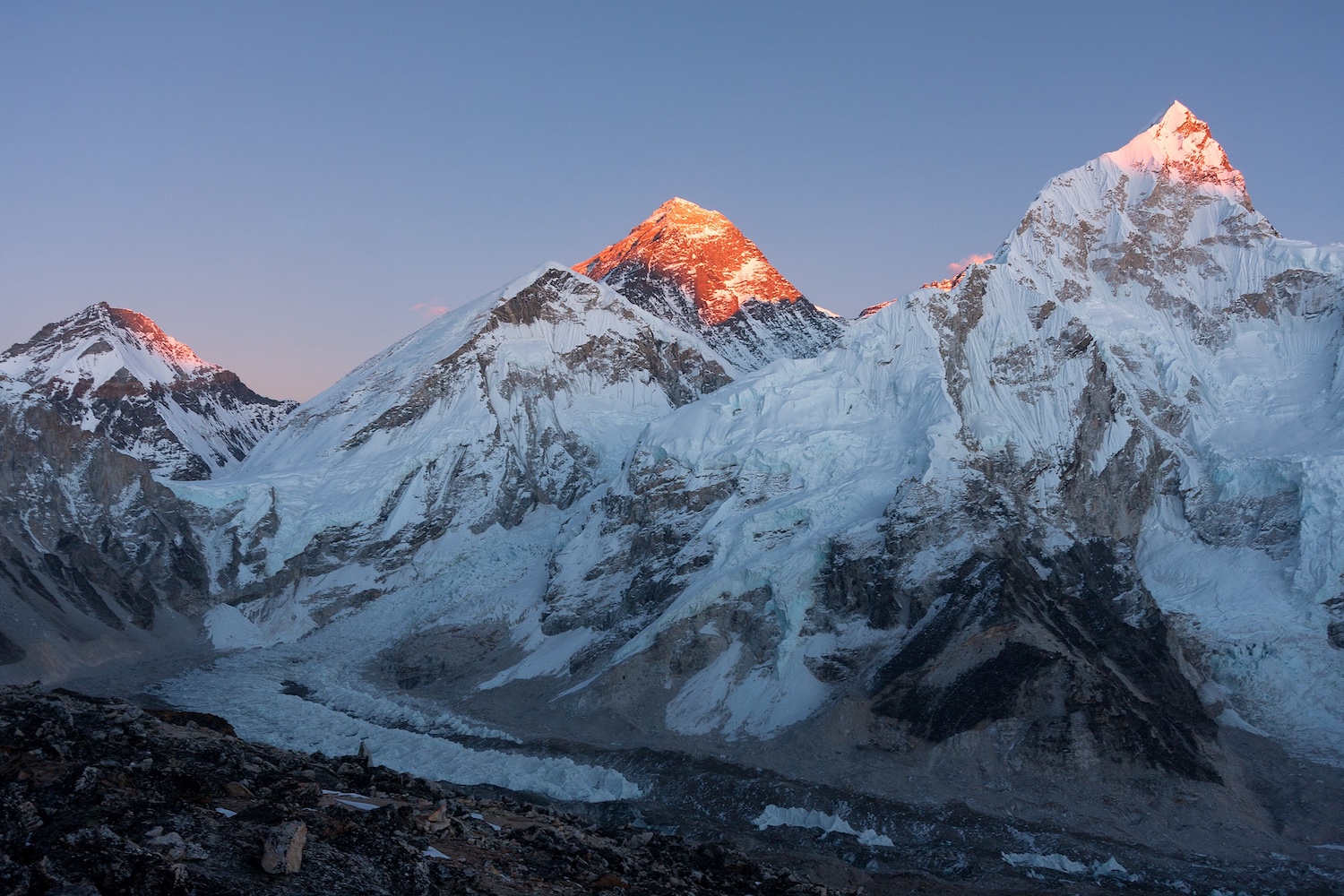
Standard Everest Base Camp Trek
This is the classic route to base camp. A well-paced itinerary, strong acclimatisation, and the full Everest experience. Ideal for first-time trekkers.
👉 Everest Base Camp trek itinerary
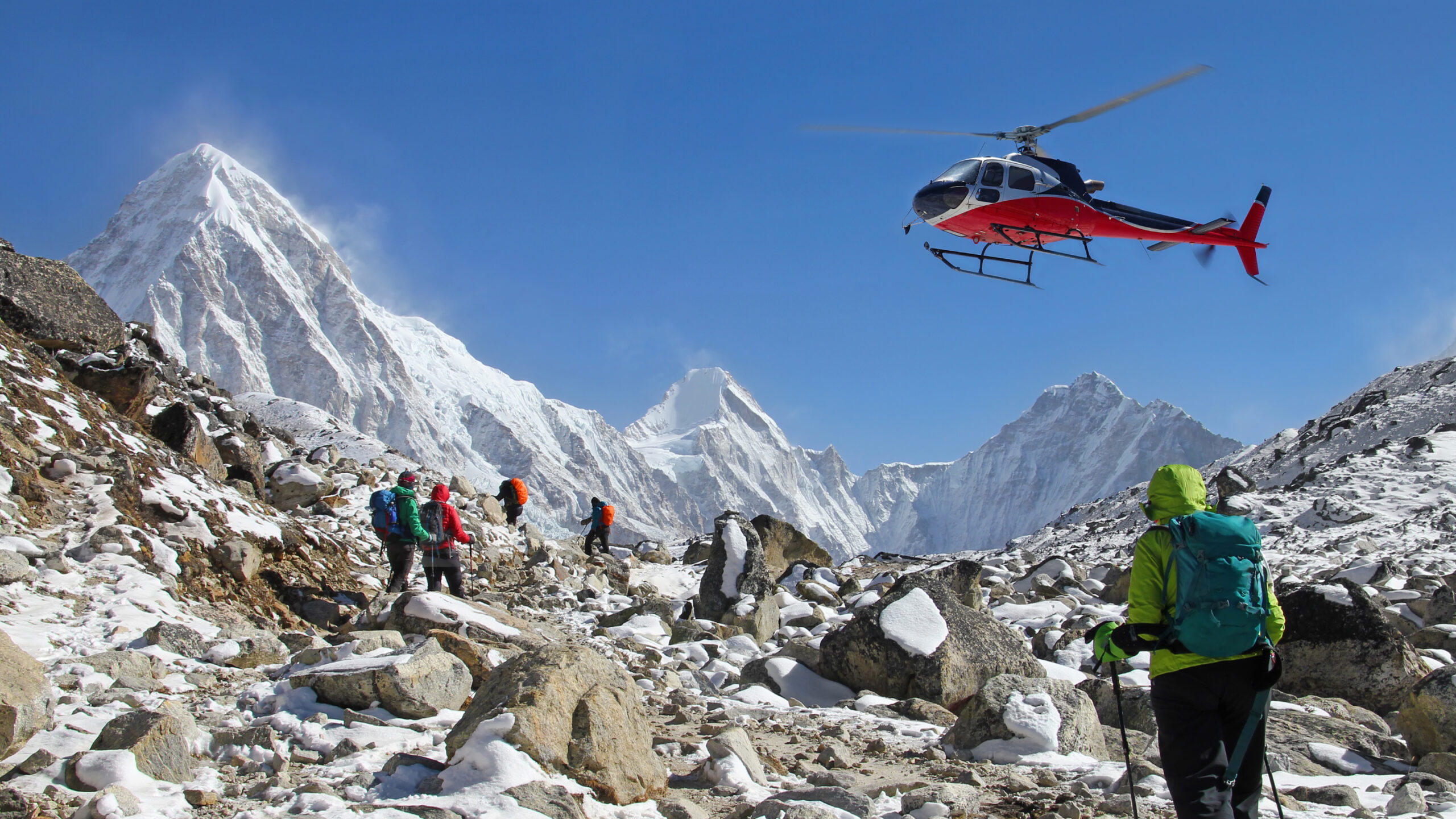
Everest Base Camp Trek with Helicopter Return
Perfect if you want the full trekking experience without the long return walk. You trek in, reach base camp, then fly back by helicopter through the mountains. A premium option that saves time and adds a unique perspective of the Himalaya.
👉 Everest Base Camp trek with helicopter return
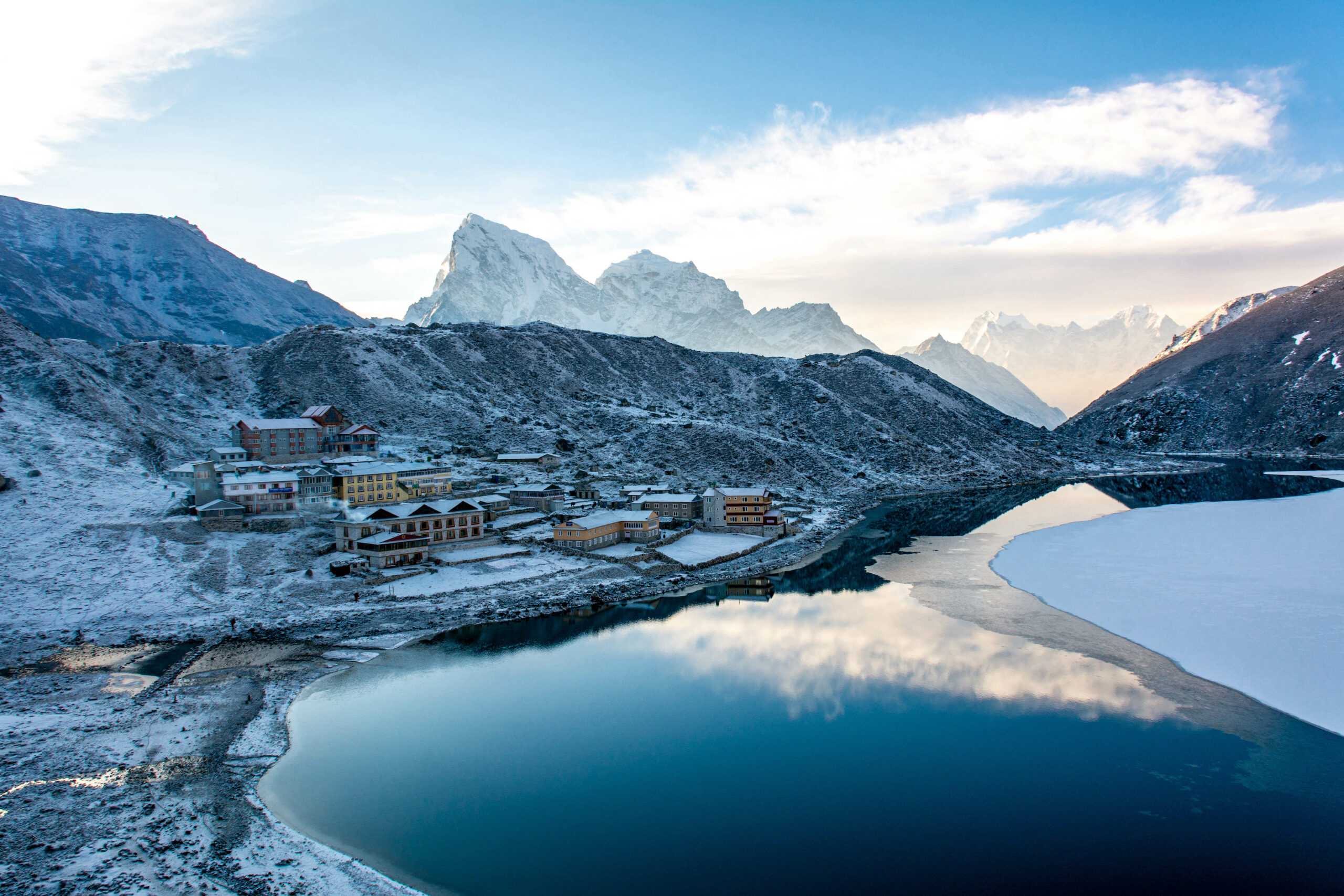
Everest Base Camp via Gokyo Lakes
A more adventurous option. This trek includes the stunning Gokyo Lakes and the Cho La Pass, offering some of the best views in the region. Ideal for those wanting something beyond the standard route.
👉 Everest Base Camp via Gokyo Lakes
Each option offers something different. The key is choosing the one that matches your time, fitness, and sense of adventure.
How Difficult Is the Trek?
Everest Base Camp treks are challenging, but they are achievable for most people with a reasonable level of fitness and the right preparation.
You are not climbing Everest. There is no technical climbing involved. However, you will be walking for multiple days at altitude, often above 4000 metres, which adds a level of physical and mental demand.
The key factors include:
- consistent daily walking
- altitude and acclimatisation
- your mindset and pacing
With a well-structured itinerary, experienced guides, and proper acclimatisation, most trekkers successfully reach base camp and return safely.
Why Not All Treks Are the Same
When comparing Everest Base Camp treks, price can vary significantly. It is important to understand what is included.
Many cheaper options exclude meals, use less experienced guides, or operate with larger groups. On the surface, they look similar, but the experience can be very different.
At Trek Climb Ski Nepal, all our treks are fully supported. That means:
- experienced Sherpa guides
- carefully planned acclimatisation
- strong safety record
- genuine local partnerships
This is not about being the cheapest. It is about delivering an experience that is safe, reliable, and genuinely memorable.
Learn More About Everest Base Camp Treks
👉 How difficult is the Everest Base Camp trek
👉 Best time of year for Everest Base Camp treks
👉 Your Everest Base Camp packing list
👉 Everest Base Camp trek video
“I had the most amazing experience trekking to Everest Base Camp with Trek Climb Ski Nepal. I cannot recommend TCSN and the Everest Base Camp Trek highly enough. If you’re wondering if you can do it – I’m here to tell you that you definitely can and you definitely should!”
Zoe Ditchburn
Everest Base Camp Trek – October 2024
What Makes Our Treks Different
Not all Everest Base Camp treks are the same. Route design, acclimatisation strategy, guide experience and group culture all play a critical role in how safe, enjoyable and successful your journey will be.
Our itineraries are carefully structured to balance challenge with recovery. Daily distances are planned to allow your body to adapt to altitude, with built-in rest and acclimatisation days at key villages such as Namche Bazaar and Dingboche. This measured approach significantly reduces the risk of altitude illness while improving overall success.
Every trek is led by highly experienced Sherpa guides who know the Khumbu region intimately. They monitor health daily, adjust pacing when needed and make decisions based on conditions, not schedules. This flexibility is essential in the Everest region, where weather, altitude and individual responses can change quickly.
Equally important is the environment we create within the group. Smaller teams allow for stronger communication, better support and a shared sense of responsibility. You are never just a number on one of our trips. You are part of a team moving together toward a common goal.
From well-chosen teahouses and nutritious meals to clear briefings and realistic expectations, every detail is designed to help you feel prepared, supported and confident on the trail.
EvereST BASE CAMP TREKS FAQS
Planning a trek to Everest Base Camp? Here are some of the most common questions we get from our Trek Climb Ski Nepal guests.
Each itinerary follows the same core principles, but they vary in pace, duration and inclusions.
The right choice depends on your fitness, time available and how you want to experience the region.
All itineraries are designed with gradual ascent and planned rest days built in.
No prior trekking experience is required for most trekkers.
We’ll talk through your goals and help you choose the best option.
Yes. Many people join on their own and quickly become part of the group.
Most trips take between 12 and 16 days, depending on the itinerary.
They are physically demanding but achievable with good preparation.
Accommodation, meals*, experienced guides, and full logistical support.
*Most of our trips include all meals while trekking. We also offer some itineraries where meals are not included, giving guests greater flexibility and freedom to choose when, where, and what they eat throughout the trek.
March to May and September to November offer the best conditions.
Yes. Everest Base Camp treks are generally very safe when operated by experienced companies that prioritise acclimatisation, qualified guides, strong logistics, and sensible decision making in the mountains. Proper acclimatisation is one of the most important factors, as altitude is the biggest challenge on the trek. A well planned itinerary, experienced local guides, good hydration, and the flexibility to adapt to conditions all play a major role in keeping trekkers safe and well throughout the journey.
Learn More About The Trek Climb Ski Nepal Way
We offer a wide range of trekking and mountaineering expeditions in Nepal designed to suit all ages and ability levels.