How hard is the Everest Base Camp Trek?
This is one of the most common questions we get asked – and rightly so.
At 5,364 metres, the Everest Base Camp Trek takes you deep into the Khumbu Valley and to the foot of the highest mountain on earth. It’s not a casual stroll. However, it is far more achievable than many people think.
The short answer?
The Everest Base Camp Trek is challenging, but manageable for most people with the right preparation and trip leadership.
👉 Learn more about all our Everest Base Camp Treks
What Makes the Everest Base Camp Trek Challenging?
When people ask, how hard is the Everest Base Camp Trek, they are usually thinking about three things: altitude, walking hours and fatigue.
Let’s break these down.
Altitude
Altitude is the biggest factor.
As you climb above 3,000 metres, the air becomes thinner. You breathe harder. Your pace slows. Sleep can feel lighter.
However, coping with altitude is not about strength – it’s about acclimatisation. When the itinerary is built correctly and the pace is controlled, most trekkers adapt well.
This is why the structure of the trip matters far more than raw fitness.
Daily Walking
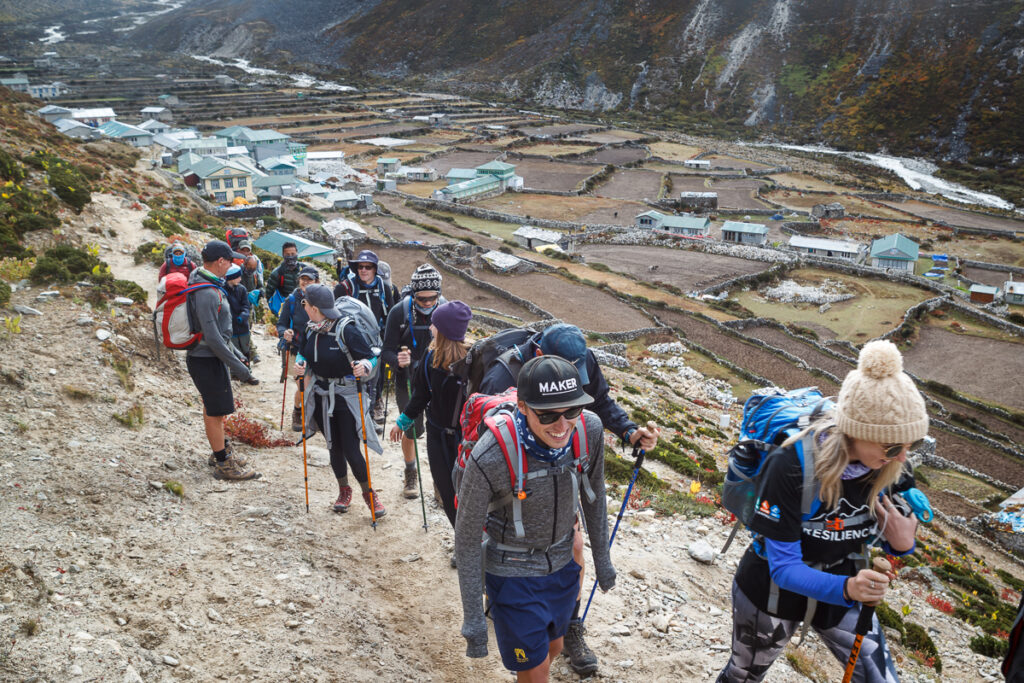
On average, you walk between 4 and 7 hours per day.
There are suspension bridges, gradual valley climbs and sections of stone steps. However, there is no technical climbing, no ropes and no exposure.
The Everest Base Camp Trek is trekking, not mountaineering.
Consecutive Days
You are walking for multiple days in a row. Therefore, a gradual pace and solid recovery time each day is essential.
A well-designed itinerary makes a huge difference here.
So, How Hard Is the Everest Base Camp Trek Really?
Here is the honest answer.
For someone with reasonable fitness and proper preparation, the Everest Base Camp Trek is challenging but very achievable.
You do not need to be an elite athlete.
You do not need previous high-altitude experience.
You do need:
- A moderate to good cardio fitness base
- A willingness to walk slowly
- Patience at altitude
- Trust in your guides
In fact, many trekkers in their 50s and 60s complete the Everest Base Camp Trek successfully because they respect the pace and listen carefully to their guides along the way.
Fitness helps but the discipline to take each day at a gentle pace helps more.
How Trek Climb Ski Nepal Makes the Trek Manageable
If you’re still wondering how hard this trip is, the real answer depends on how it’s led.
At Trek Climb Ski Nepal, we have decades of Himalayan experience. We’ve led Everest expeditions and climbed hundreds of 6,000m and 7,000m peaks. That depth of high altitude knowledge flows directly into our Everest Base Camp Trek itineraries.
Here’s what makes the difference.
Conservative Acclimatisation Strategy
We prioritise slow, steady altitude gain.
We build in proper acclimatisation days.
We follow the climb high, sleep low principle.
We monitor oxygen saturation daily.
Most importantly, we talk openly with every guest. Small symptoms are addressed early. Simple decisions prevent bigger issues.
This approach significantly reduces how hard the Everest Base Camp Trek feels.
Small Group Sizes
We keep groups small.
That allows us to adjust the pace and respond to individual needs. We do not rush. We do not compete.
We move as a team.
This lowers stress and creates a far more enjoyable experience at altitude.
Experienced Sherpa Leadership
Our Sherpa team are not seasonal staff who rotate in and out each year. They are long term partners. Trusted friends. Leaders in their own right.
Their calm decision making comes from decades in the mountains, but also from deep cultural understanding. They read the weather. They read the terrain. And just as importantly, they read people. That awareness creates stability when conditions change or uncertainty creeps in.
There is a quiet confidence about them. No noise. No ego. Just steady presence. And that calm energy moves through the group. It settles nerves at altitude. It slows rushed decisions. It reminds everyone that we move as a team.
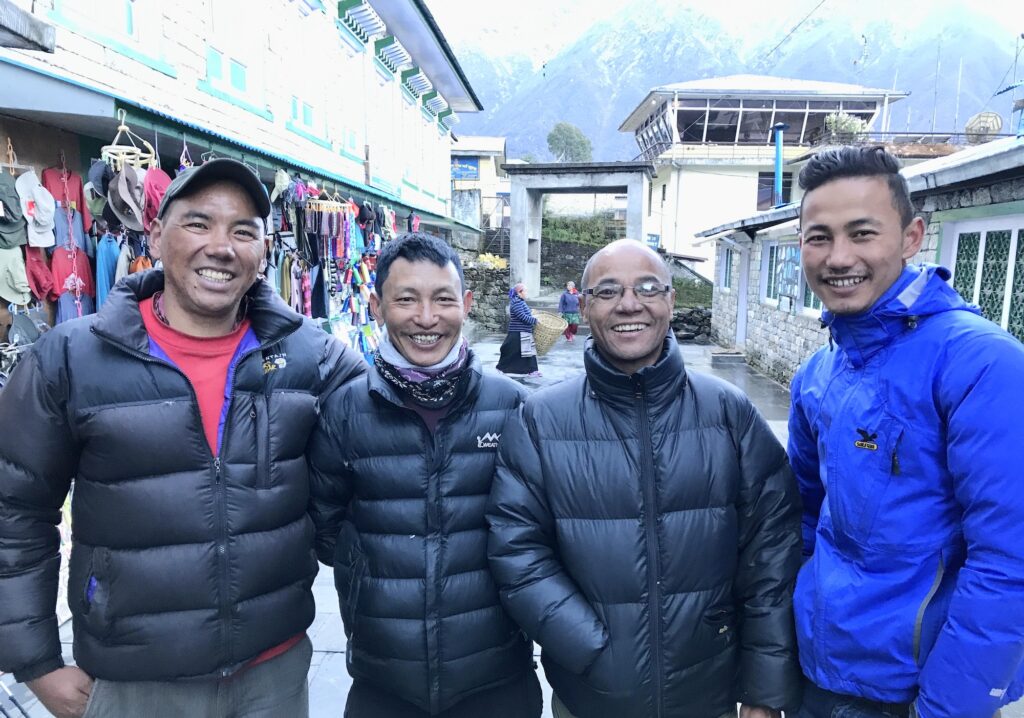
Leadership matters in the mountains. It is not about volume or status. It is about judgment, composure and responsibility. Our Sherpa leaders embody that every day. And the strength of our expeditions is built on that foundation.
👉 Learn more about our trip leaders and guides
Clear Training Guidance
Before departure, we provide realistic training advice.
Hill walking. Stair climbing. Pack training.
When people prepare properly, the daily walking routine feels purposeful rather than overwhelming.
Preparation builds confidence.
Mental Strength and Perspective
Many people underestimate the mental side of this journey.
There are cold mornings. Thin air. Heavy legs at the end of long days.
Yet the ones who thrive are not always the strongest or the fastest. They are the people who stay steady when things feel uncomfortable. Those who communicate early. Those who listen. Those who accept the mountain’s pace instead of trying to rush it.
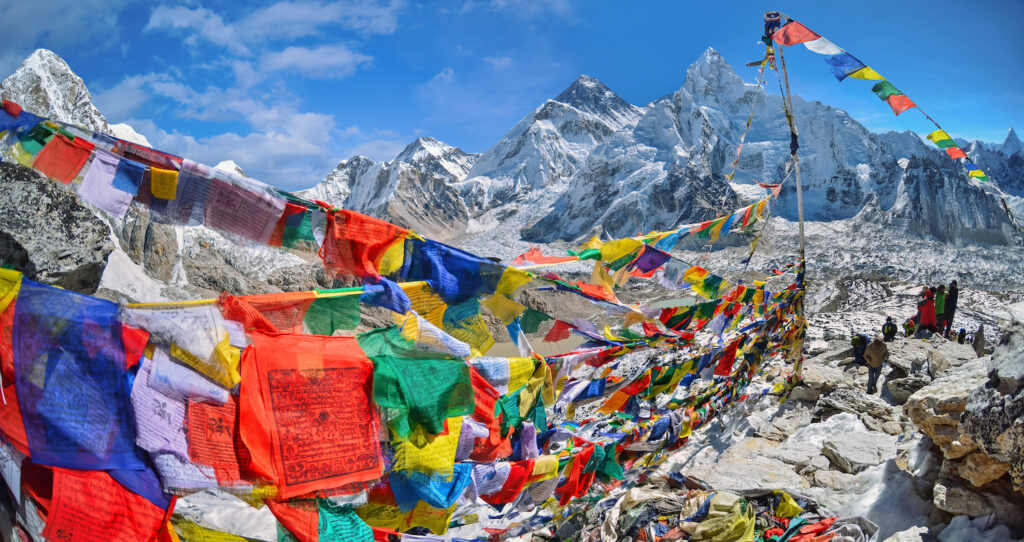
Over time, the experience becomes a lesson in patience. Progress comes through consistency, not force.
And that is the very essence of this unique and remarkable experience.
Final Thoughts: Is It Worth It?
So, how hard is the Everest Base Camp Trek?
It is hard enough to feel proud.
But not so hard that it is out of reach.
With the right itinerary, experienced Sherpa leadership and a conservative acclimatisation strategy, the Everest Base Camp Trek becomes an achievable challenge for most determined people.
And standing beneath the Khumbu Icefall at 5,364 metres makes every step worthwhile.