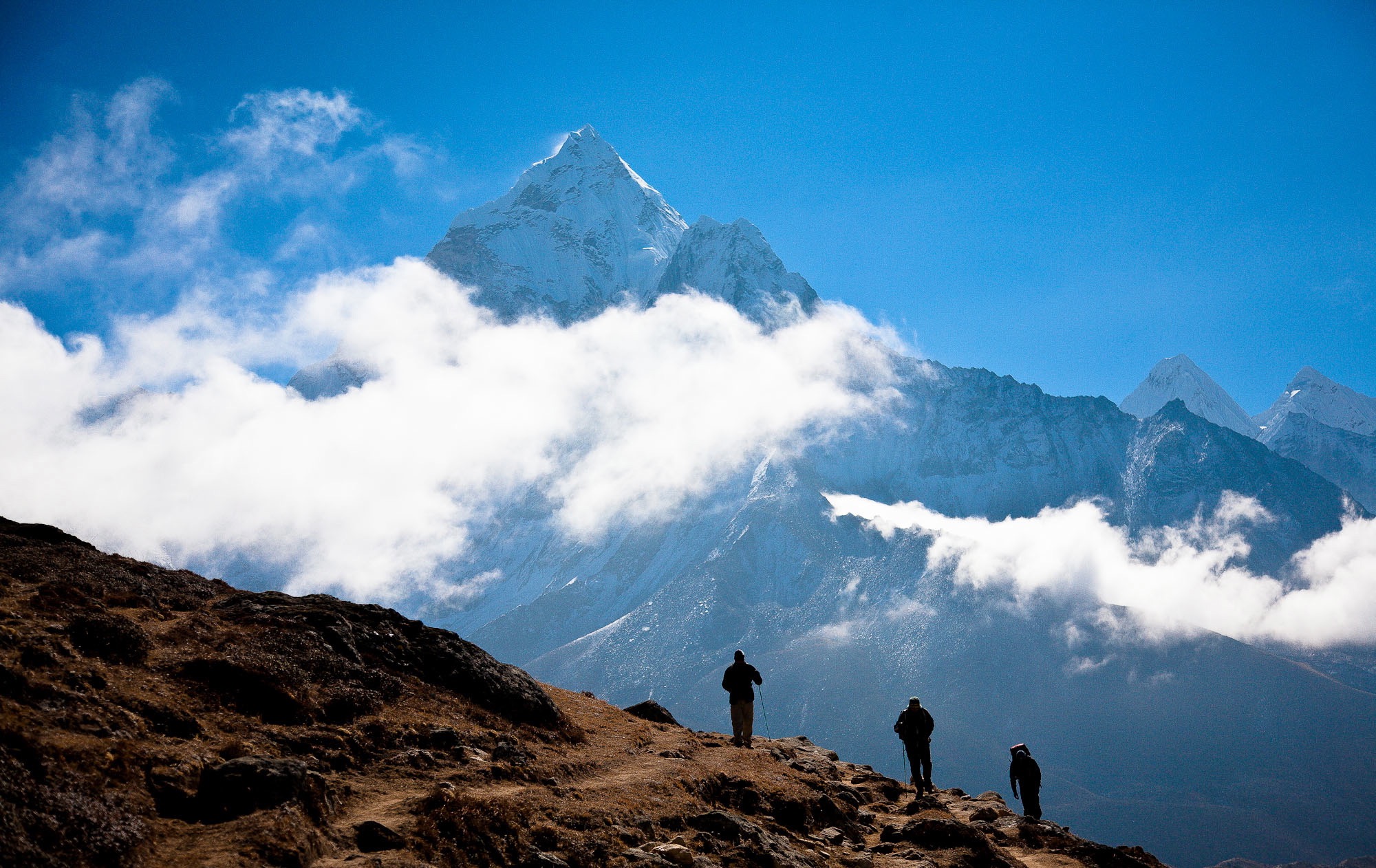
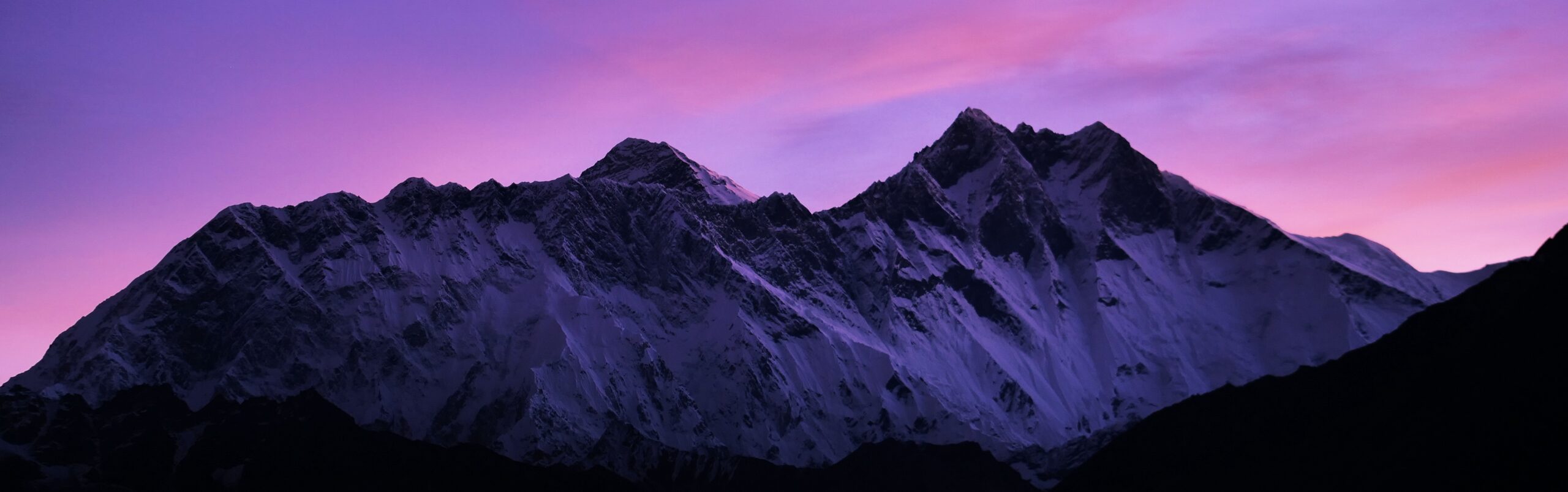
An Everest Base Camp trek itinerary is more than just a day by day plan. It is the backbone of a safe, successful, and deeply rewarding experience in the Himalaya. Get it right, and you give yourself the best chance to acclimatise properly, stay healthy, and actually enjoy the journey. Get it wrong, and the risks increase quickly.
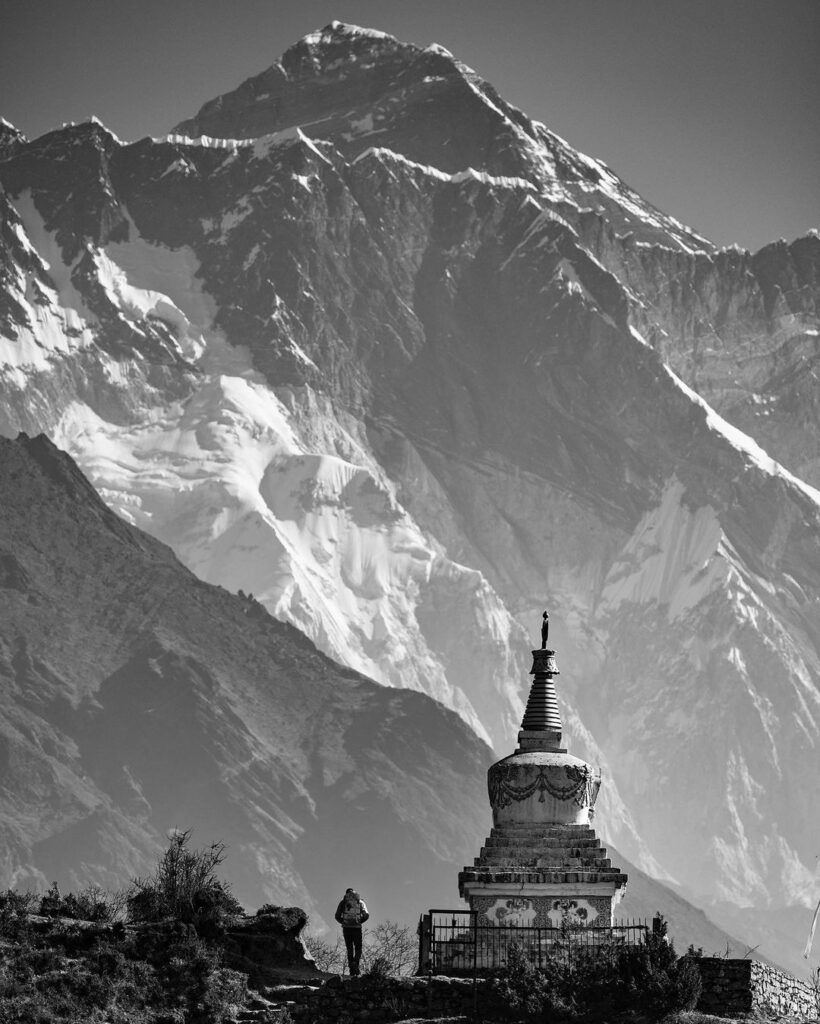
At Trek Climb Ski Nepal, we have been refining our Everest Base Camp trek itinerary for more than 20 years. This is not a rushed schedule or a generic template. It is built from real experience on the ground, working alongside trusted Sherpa guides and a small, tight knit local team.
If you are comparing options, this guide will help you understand what a quality itinerary looks like and why it matters.
Why Your Everest Base Camp Trek Itinerary Matters
The biggest challenge on an Everest Base Camp trek is not fitness. It’s altitude.
A well designed Everest Base Camp trek itinerary allows your body time to adjust gradually. This process, known as acclimatisation, is critical. Without it, even very fit trekkers can struggle.
A strong itinerary should include:
- Gradual increases in sleeping altitude
- Planned acclimatisation days
- Shorter walking days at key points
- Flexibility based on conditions and group health
Many cheaper or faster itineraries cut corners here. Fewer days might look appealing, but they often come with increased risk and a less enjoyable experience.
A Proven Everest Base Camp Trek Itinerary
Here is a typical 12 day trekking itinerary from Lukla to Everest Base Camp and back. This structure has been tested over decades and remains one of the most reliable ways to complete the trek safely. View this itinerary in more detail on our dedicated Everest Base Camp Trek page.
Day 1: Lukla to Phakding
After your flight into Lukla, the trek begins with a gentle descent to Phakding. This is a relatively easy day and a great way to settle into the rhythm of trekking. Overnight at 2600 metres.

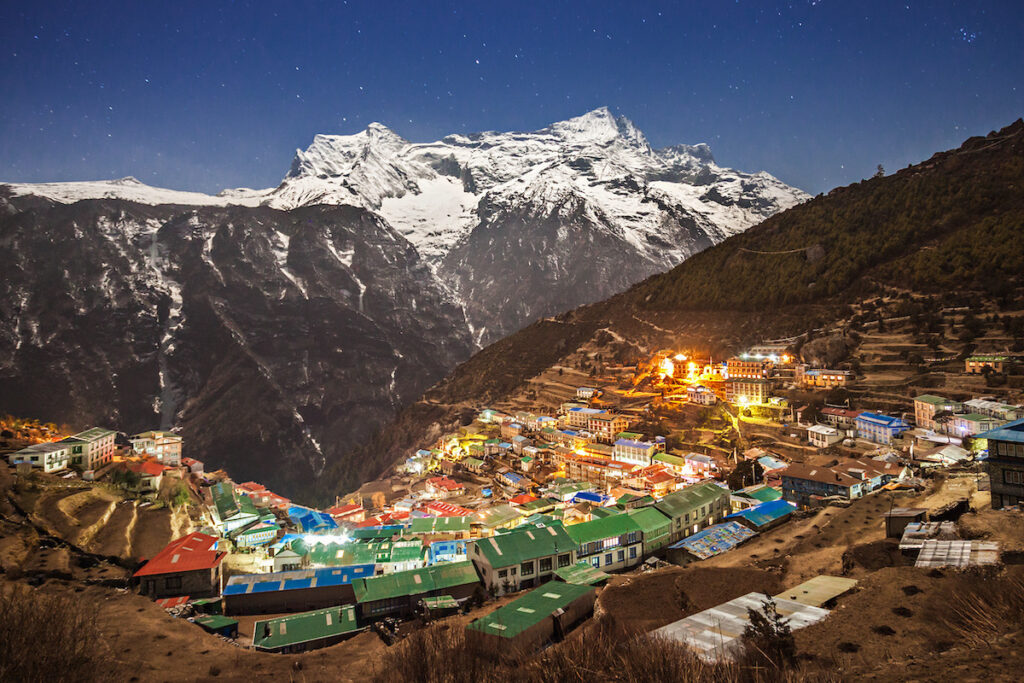
Day 2: Phakding to Namche Bazaar
One of the more challenging early days. You will cross suspension bridges and gradually climb towards Namche Bazaar, the main hub of the Khumbu region. Overnight at 3440 metres.
Day 3: Acclimatisation Day in Namche Bazaar
This is a critical part of any Everest Base Camp trek itinerary. You will hike to a higher elevation during the day, often to the Everest View Hotel, before returning to sleep in Namche. Overnight at 3440 metres.
Day 4: Namche to Deboche
A stunning day with views of Everest, Ama Dablam, and surrounding peaks. The final climb to Tengboche Monastery is steady but rewarding. A short distance past Tengboche is Deboche. Overnight at 3710 metres.
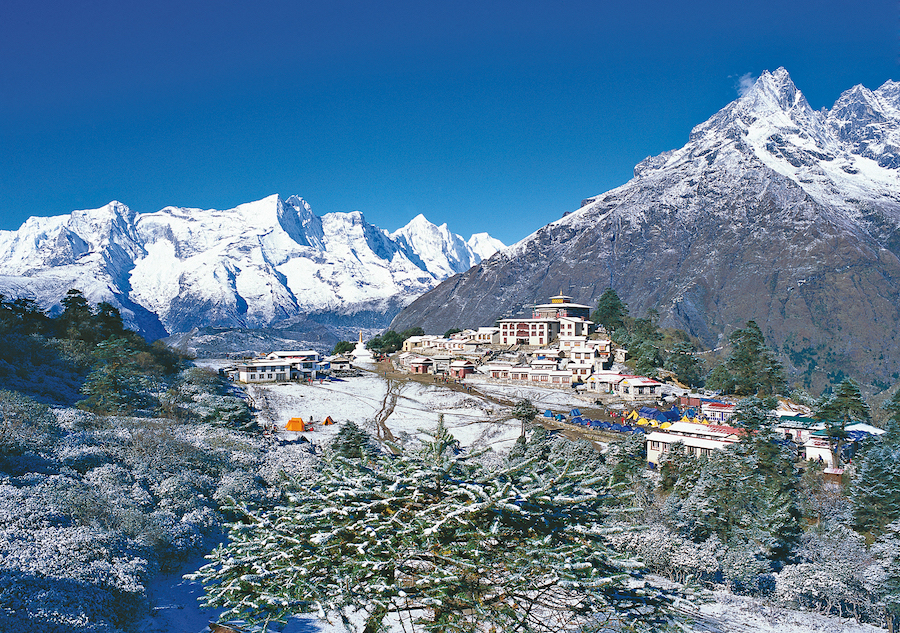
Day 5: Tengboche to Dingboche
The landscape begins to open up as you move above the tree line. Dingboche is another key acclimatisation stop. Overnight at 4410 metres.
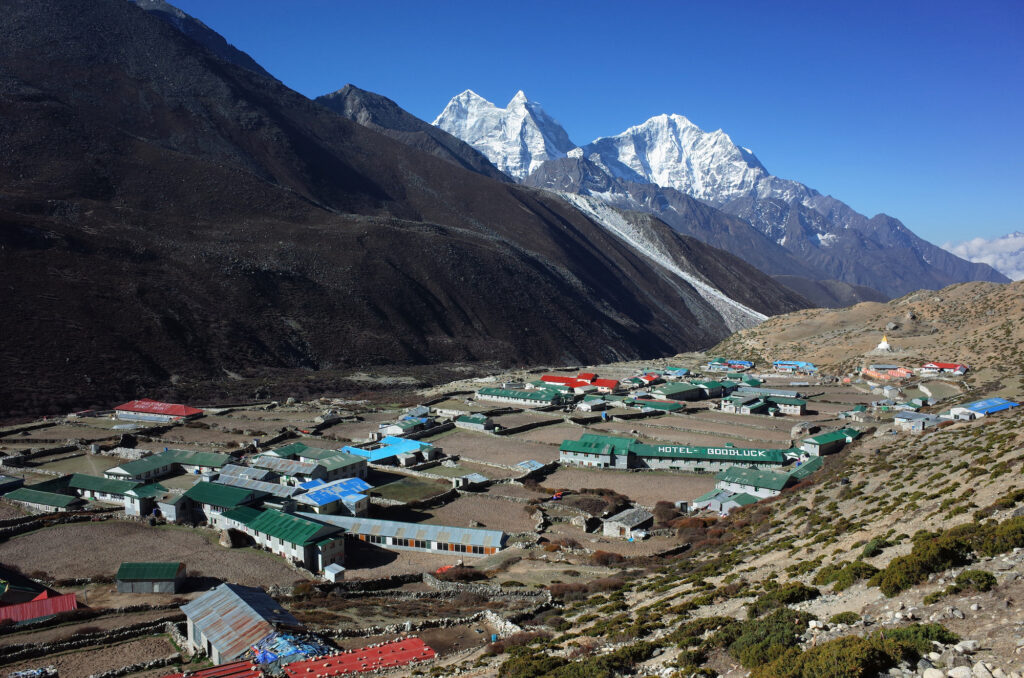
Day 6: Acclimatisation Day in Dingboche
Another essential day. A short hike to a higher elevation helps your body adapt before heading further up the valley. Overnight at 4410 metres.
Day 7: Dingboche to Lobuche
The altitude becomes more noticeable here. The pace slows, and the focus is on steady, controlled movement. Overnight at 4910 metres.
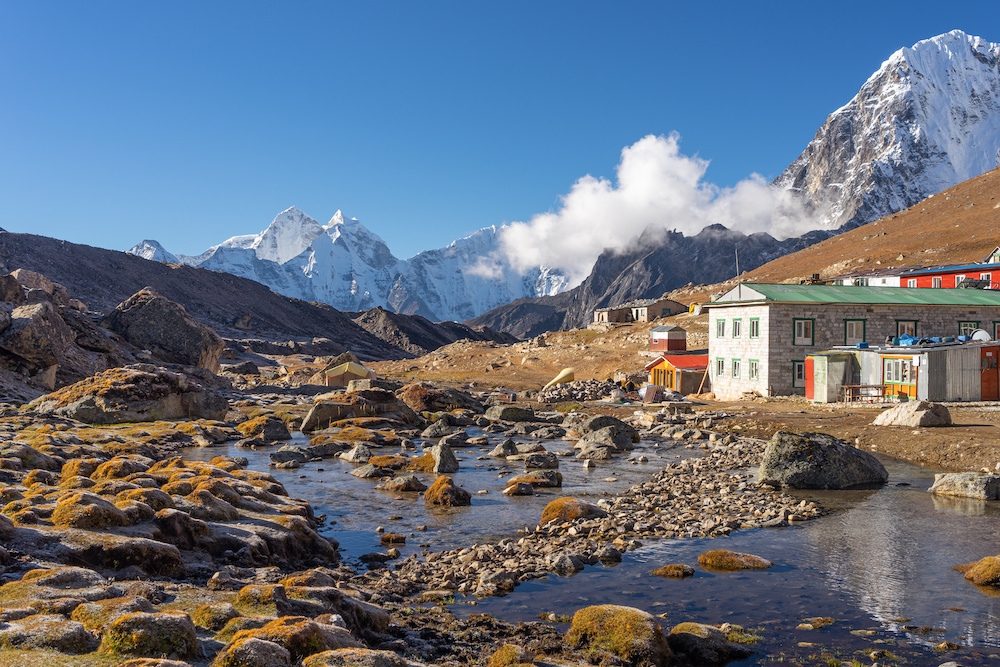
Day 8: Lobuche to Everest Base Camp via Gorak Shep
A big and memorable day. You reach Everest Base Camp, standing at the foot of the world’s highest mountain. Overnight at Gorak Shep at 5140 metres.
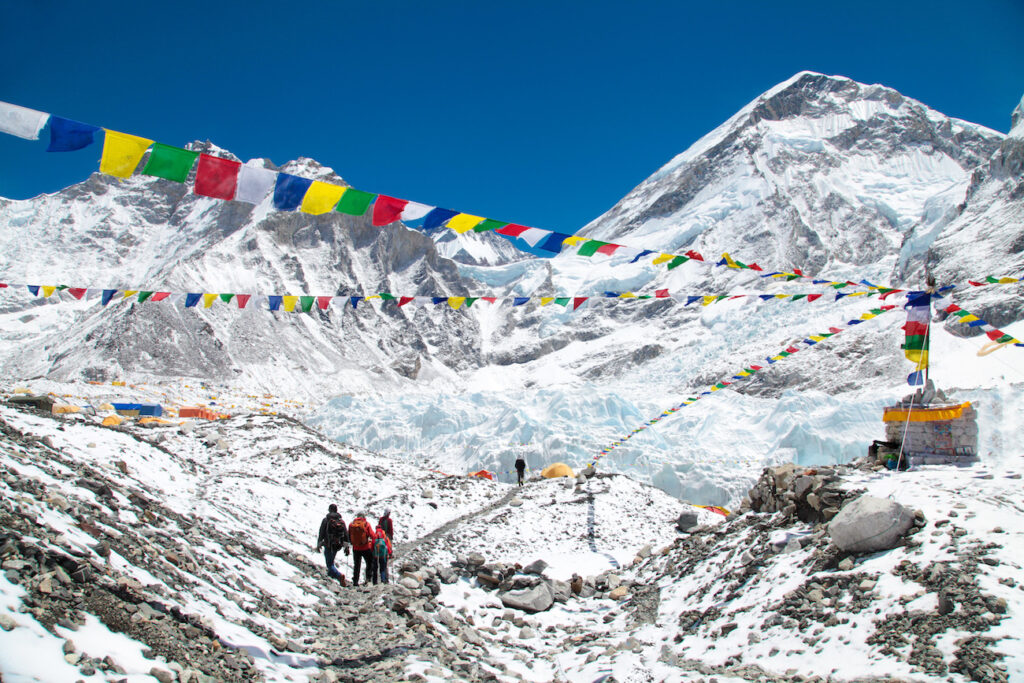
Day 9: Kala Patthar and descent to Pheriche
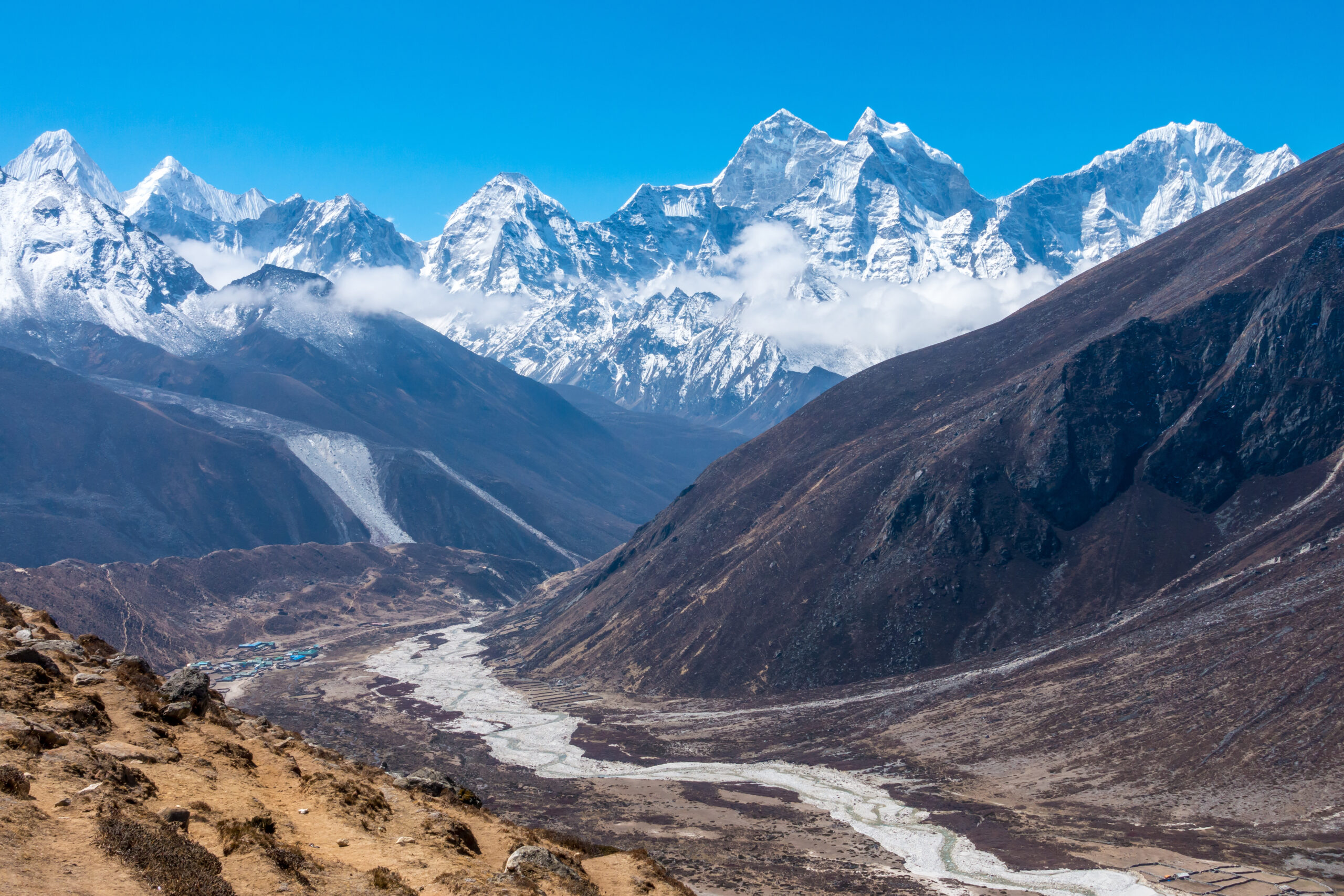
An early start to climb Kala Patthar for sunrise views of Everest. Then begin the descent, which brings noticeable relief as you lose altitude. Overnight at 4370 metres.
Day 10: Pheriche to Namche Bazaar
A longer day as you retrace your steps down the valley. Overnight at 3440 metres.
Day 11: Namche Bazaar to Lukla
Your final full day of trekking, returning to where it all began. Overnight at 2800 metres.
Day 12: Fly Lukla to Kathmandu
Weather permitting, you return to Kathmandu, completing the journey.
What Makes a Good Everest Base Camp Trek Itinerary?
Not all itineraries are created equal. The difference is often in the detail.
Acclimatisation Built In
This is non negotiable. At least two acclimatisation days should be included, typically in Namche Bazaar and Dingboche.
Balanced Daily Distances
You don’t need to rush. A good Everest Base Camp trek itinerary balances effort and recovery, especially as altitude increases.
Experienced Local Support
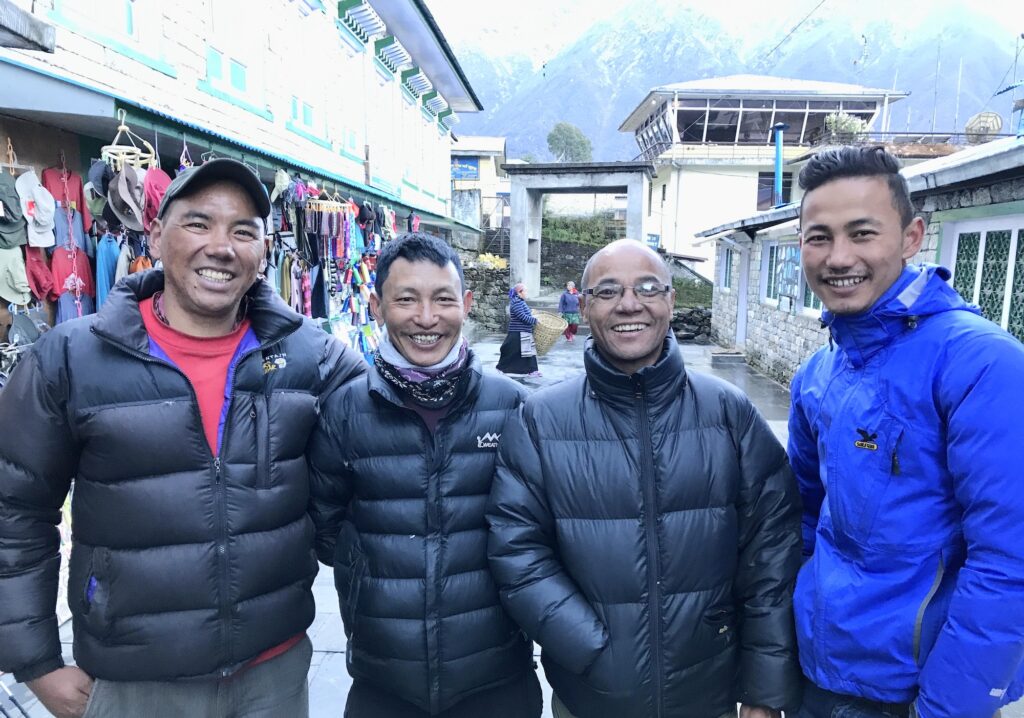
Your guides matter as much as your itinerary. At Trek Climb Ski Nepal, we work with a trusted Sherpa team who understand the mountains, the conditions, and how to look after people.
Flexibility
The mountains do not run on a fixed schedule. Weather, health, and conditions all play a role. A quality itinerary allows for adjustments when needed.
Linking Your Everest Base Camp Itinerary to the Bigger Experience
An Everest Base Camp trek itinerary is just one part of the overall experience. The way the trek is delivered matters just as much.
This is why we encourage you to explore our full range of Everest Base Camp Treks. Each option builds on this proven itinerary but offers different ways to experience the journey, including helicopter returns and extended routes.
These variations allow you to tailor the experience based on time, comfort, and how you want to finish your trek.
Common Mistakes When Choosing an Everest Base Camp Trek Itinerary
It is easy to focus on price or duration, but there are a few common pitfalls to avoid:
Choosing the Shortest Option
Shorter is not better in the Himalaya. Cutting days often means cutting acclimatisation, which increases risk.
Ignoring Acclimatisation Days
If an itinerary does not clearly include acclimatisation days, it is a red flag.
Underestimating the Importance of Guides
A strong itinerary with inexperienced support is not enough. The people on the ground make a huge difference.
Overlooking the Return Journey
The return from base camp is often underestimated. A well planned descent is just as important as the ascent.
Final Thoughts on Your Everest Base Camp Trek Itinerary
A well designed Everest Base Camp trek itinerary sets the tone for your entire adventure. It creates the space to acclimatise, to take in the environment, and to genuinely enjoy one of the most iconic journeys on earth. If you’ve made it this far, you’re clearly serious about doing this trek the right way, not just getting to base camp, but experiencing it fully.
At Trek Climb Ski Nepal, we have built our itineraries around safety, experience, and connection. This is not about rushing in and ticking a box. It is about doing it properly, with the right people, and with an approach that has been proven over time. Take a couple more minutes to watch the short video above and get a real sense of the story behind our team, the relationships that underpin every trek, and why those details matter when you are out there.
If you’ve made it this far, you’re clearly serious about your Everest Base Camp trek and doing it the right way. Take a couple more minutes to watch this short video and get a real sense of the Trek Climb Ski Nepal story, the people behind the experience, and why our approach on the mountain is built on trust, relationships, and decades of lived experience. It’s often the small details and the right team that make all the difference out there.