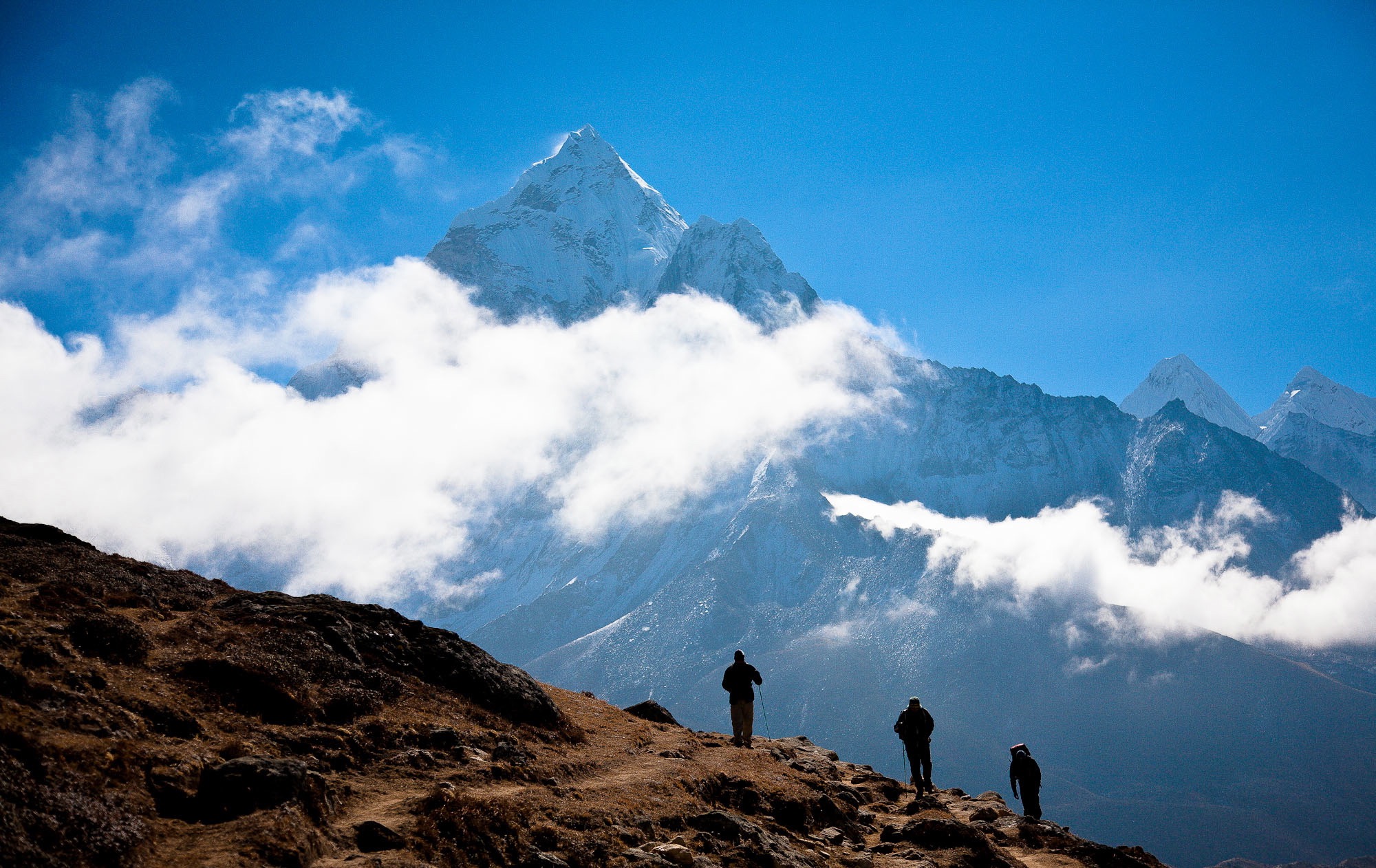
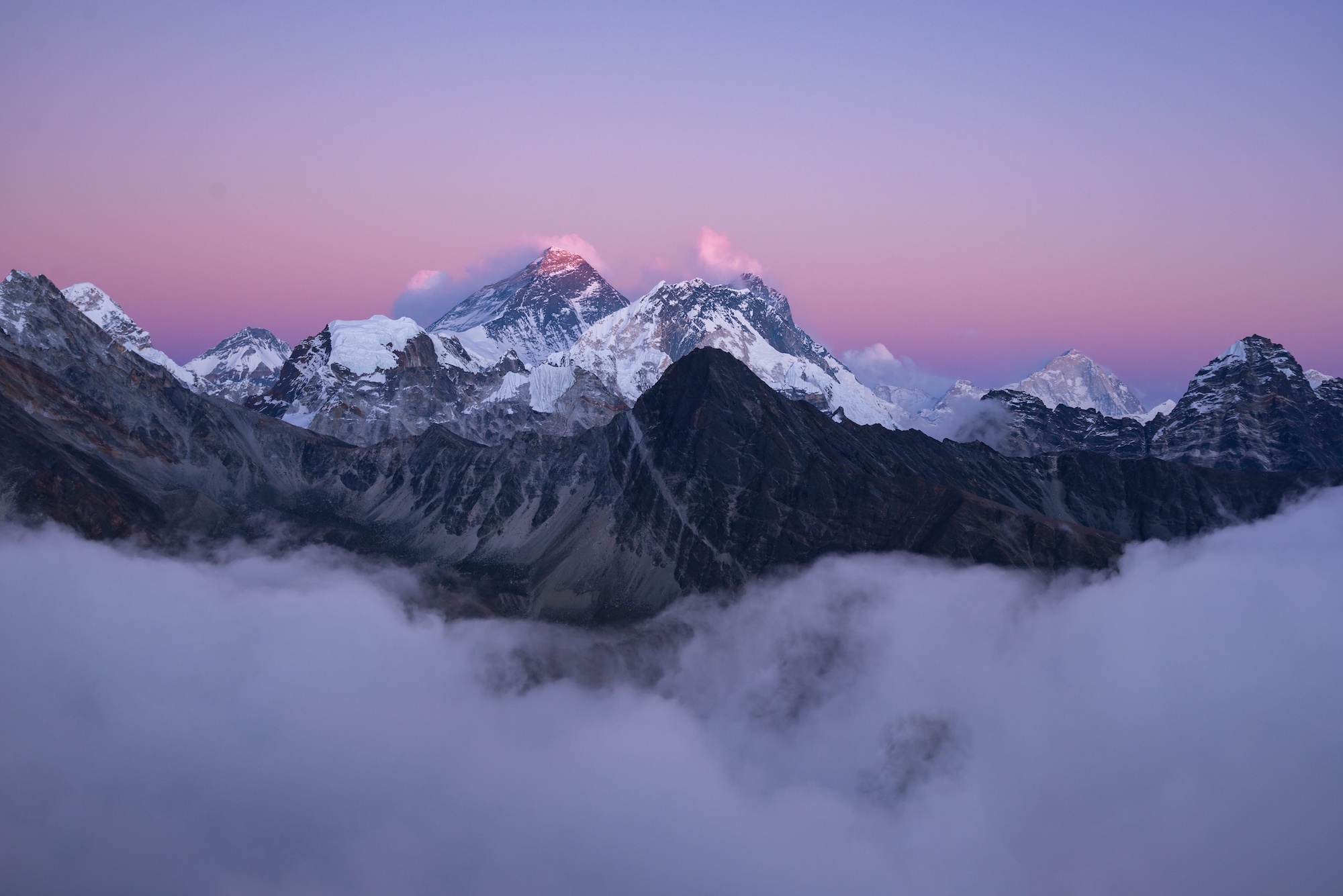
If you have ever found yourself asking how difficult is the Everest Base Camp trek, you are not alone. It is one of the most searched questions by people dreaming of standing beneath the world’s highest mountain, yet unsure what the journey truly demands.
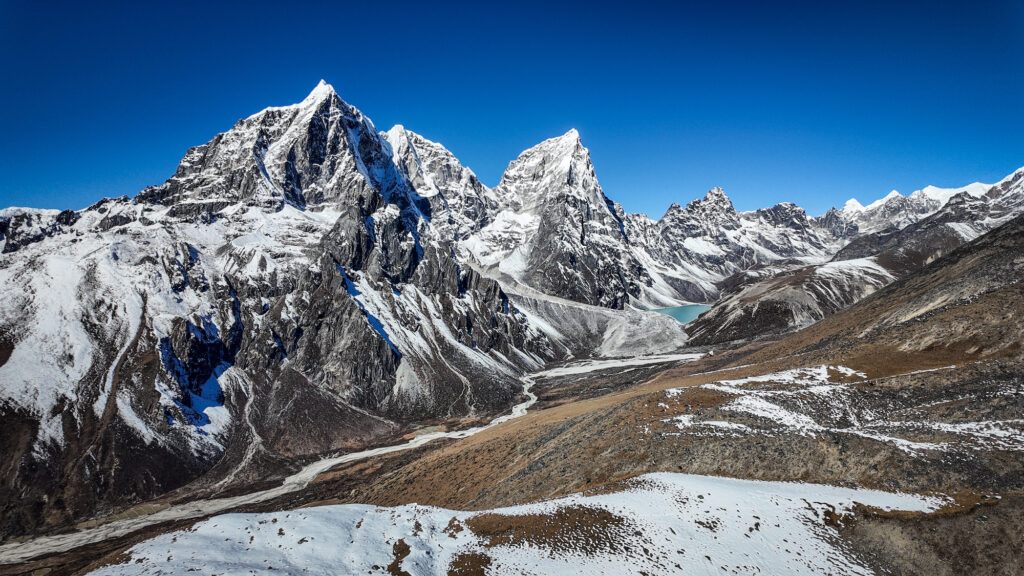
The short answer is this: the Everest Base Camp Trek is challenging but achievable for most people with reasonable fitness, the right preparation, and a patient mindset. It is not technical climbing. You do not need ropes, crampons, or mountaineering experience. But it is a genuine high-altitude trek that requires respect, resilience, and consistency.
Let’s break it down properly.
Understanding the Everest Base Camp Trek
The classic journey to Everest Base Camp takes around 12–14 days of trekking, starting from Lukla and following the Khumbu Valley through famous villages like Namche Bazaar, Tengboche, Dingboche, and Lobuche.
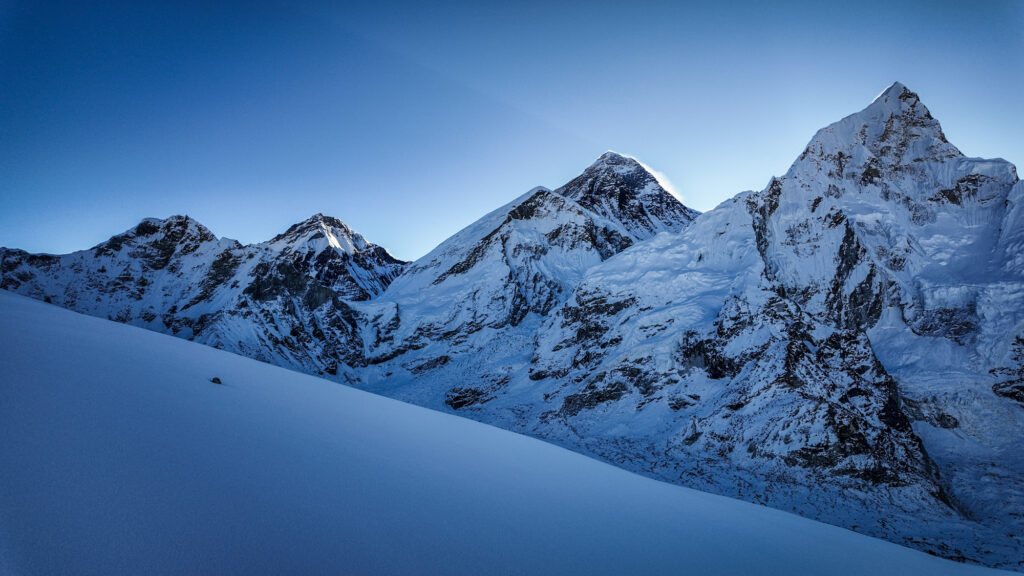
Trekkers reach a maximum altitude of approximately 5,364 metres, which is where the real challenge lies. Altitude, not terrain, is the defining factor.
This is a trek of endurance rather than intensity.
How Difficult Is the Everest Base Camp Trek Physically?
From a physical perspective, the difficulty is moderate to demanding, depending on your background.
Daily Distances and Terrain
Most days involve:
- 4 – 7 hours of walking
- Gradual ascents mixed with descents
- Uneven trails, stone steps, and suspension bridges
- Cold mornings and variable weather
The paths are well-defined and well-travelled. There is no scrambling, no exposure, and no technical terrain. However, the repeated ups and downs can be surprisingly tiring, especially after several consecutive days on the trail.
Many people assume the trek is flat once you reach altitude. It is not. There is a constant rhythm of climbing and descending that slowly wears on the legs.
Do You Need to Be Super Fit?
No. But you do need:
- A solid base level of cardiovascular fitness
- Strong legs and knees
- Comfort walking uphill for extended periods
People who regularly hike, run, cycle, ski, or train at the gym generally cope well. Those starting from a lower fitness base can still succeed, but preparation becomes far more important.
Altitude: The Real Challenge
When people ask how difficult is the Everest Base Camp trek, what they are really asking is how hard it is to deal with altitude.
Why Altitude Matters
Above 3,000 metres, oxygen levels drop noticeably. Above 4,000 metres, even simple tasks feel harder. You breathe faster, sleep can become disrupted, and recovery takes longer.
Common altitude symptoms include:
- Shortness of breath
- Headaches
- Loss of appetite
- Fatigue
- Poor sleep
These are normal and manageable when handled correctly.
Acclimatisation Is Key
The Everest Base Camp itinerary is designed around gradual acclimatisation, including rest days in Namche Bazaar and Dingboche. These days are not optional extras. They are essential.
Going slowly, staying hydrated, eating well, and listening to your body makes a profound difference to how difficult the trek feels.
People who struggle most are often the ones who underestimate altitude or rush the process.
👉 Download our FREE Trek Ready Guide
Mental Challenges: The Part Nobody Talks About
Physically, most people are capable of the trek. Mentally, it can be more demanding than expected.
Long days, basic teahouse accommodation, cold nights, limited showers, and repetitive meals all test patience and adaptability. Add fatigue and thin air, and small inconveniences can feel bigger than they should.
This is where mindset matters.
Those who approach the trek with curiosity, flexibility, and a sense of humour tend to thrive. Those expecting luxury or instant comfort often struggle.
In many ways, Everest Base Camp is a lesson in slowing down, simplifying life, and being present.
Weather and Seasonal Difficulty
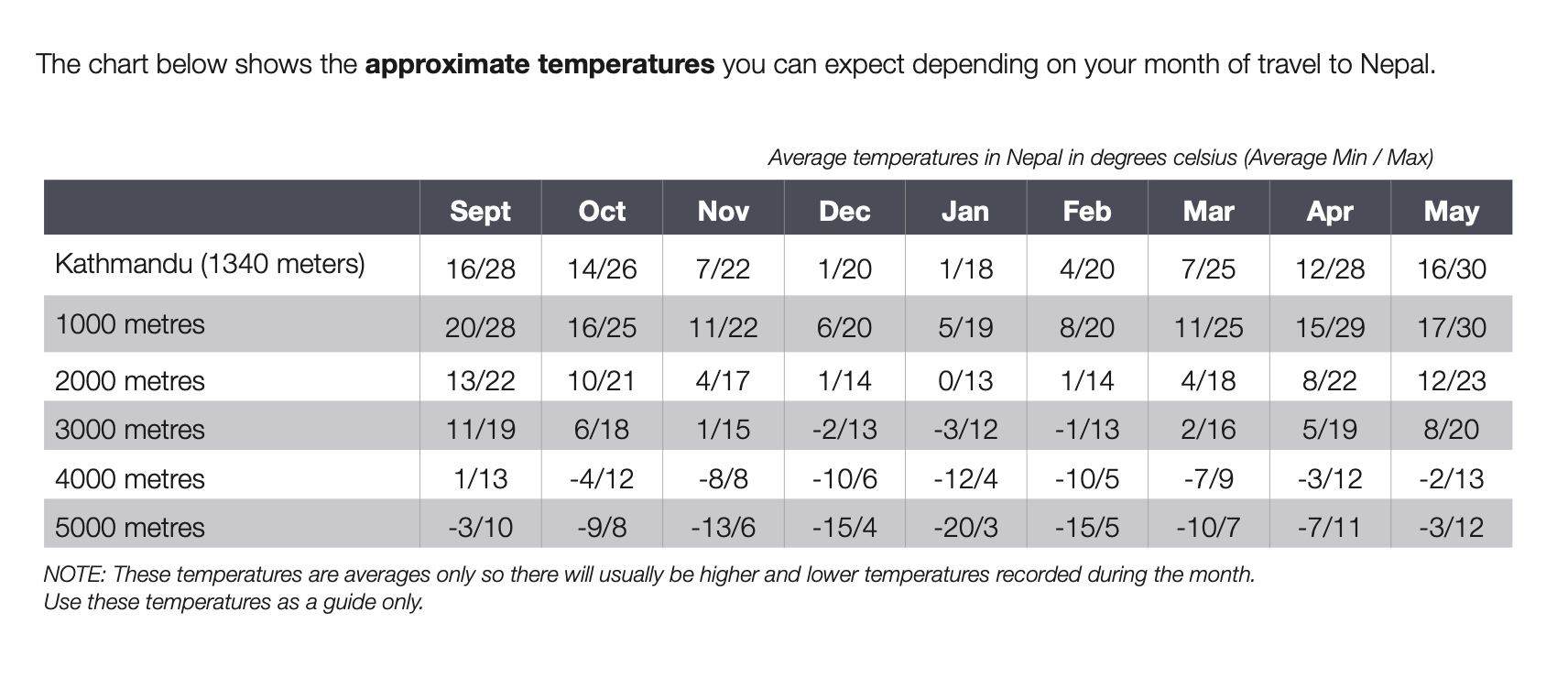
The difficulty of the Everest Base Camp trek also depends heavily on when you go.
Best Seasons
- Spring (March–May): Stable weather, warmer days, busier trails
- Autumn (September–November): Clear skies, colder nights, excellent visibility
Harder Conditions
- Winter brings extreme cold and snow
- Summer monsoon increases rain, clouds, and flight disruptions
Choosing the right season reduces difficulty significantly and improves overall enjoyment.
Age, Experience, and Everest Base Camp
One of the most encouraging aspects of this trek is its accessibility.
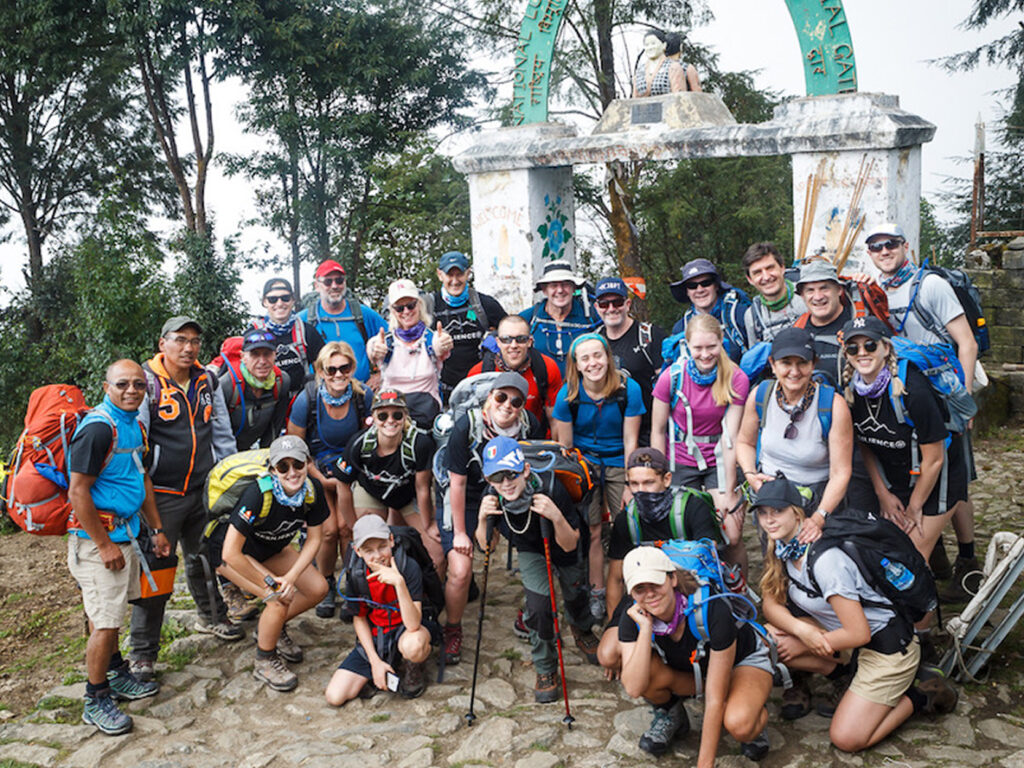
Trekkers range from teenagers to people in their seventies. Success is far more closely linked to pace, preparation, and attitude than age or athletic background.
You do not need previous high-altitude experience. Many people complete Everest Base Camp as their first major trek.
How Hard Is Everest Base Camp Compared to Other Treks?
Compared to shorter or lower-altitude treks, Everest Base Camp is more demanding due to its length and altitude. Compared to technical climbs or expeditions, it is far less complex.
Think of it as:
- Harder than most alpine day hikes
- Easier than mountaineering
- More about endurance than strength
If you can walk steadily for several hours a day, manage discomfort, and respect altitude, you are capable of this journey.
So, How Difficult Is the Everest Base Camp Trek Really?
The Everest Base Camp trek is challenging but achievable, demanding but deeply rewarding.
It will test your legs, lungs, patience, and mindset. It will also give you a profound sense of achievement, perspective, and connection to one of the world’s most remarkable landscapes and cultures.
For most people, the difficulty is not what stops them. Fear of the unknown does.
With the right preparation, guidance, and expectations, the trek becomes less about difficulty and more about discovery.
And standing beneath Everest, knowing you walked every step to get there, makes every challenge worthwhile.
Want help preparing for Everest Base Camp?
Training advice, packing tips, acclimatisation strategies, and itinerary options can make all the difference. Choose experience over speed, preparation over bravado, and you will give yourself the best possible chance of success. Importantly, there are a variety of Everest Base Camp Treks available to suit every budget, timeframe and fitness level.